Most web developers default to the same familiar deliverables: a brochure site, a catalog, an online store. But is that actually enough to build a real e-business? A look at what e-business covers, how Web 2.0 changed the picture, and why the Internet-as-platform model was always where things were heading.
Today everyone talks about Web 2.0. But while the idea of a collective intelligence, implied here by the terms inventor Tim OReily remains an object of trivial speculations, it is obvious that the World Wide Web is changing. Web applications are increasingly approaching the level of functionality, which is usually found only in desktop applications. And as this trend is gaining momentum, we can already witness the dawn of a new era brought about by a novel kind of web applications - Rich Internet Applications (RIA)
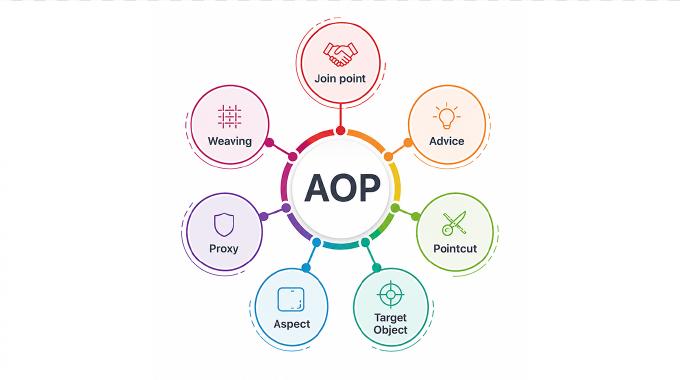
Aspect Oriented Software Development (AOSD) is a methodology meant to implement new aspects in software component using external components, but without altering the code that implements the core functionality.
The AOSD concept was applied originally by Java developers. They developed a compiler that implements the AOP (Aspect-Oriented Programming, an implementation of AOSD) white box approach, i.e. the compiler the merges the code that implements the software components core functionality with the necessary code alterations to implement the new aspects where necessary.
This paper provides an introduction into the paradigm of aspect-oriented software development (AOSD). It includes a multitude of practical examples, provided with a view to objectify such abstract approach as AOSD, as well as to help the reader easily grasp its essence and advantages. The paper is primarily intended for programmers working with PHP. Its aim is to demonstrate a way of applying AOSD in PHP-based projects already today.
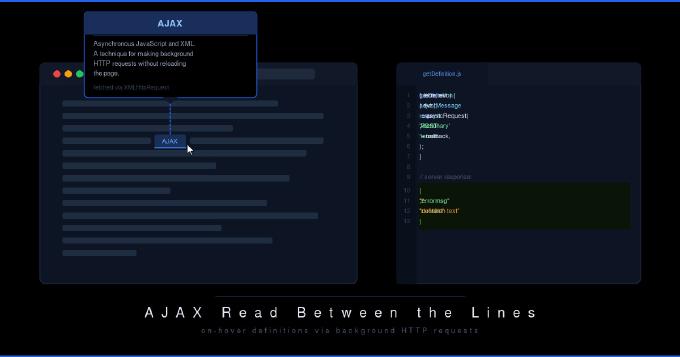
A walkthrough of how to build on-hover term definitions using AJAX. When a visitor hovers over a technical keyword, JavaScript fetches the definition from a server endpoint and shows it in a popup, without any page reload.
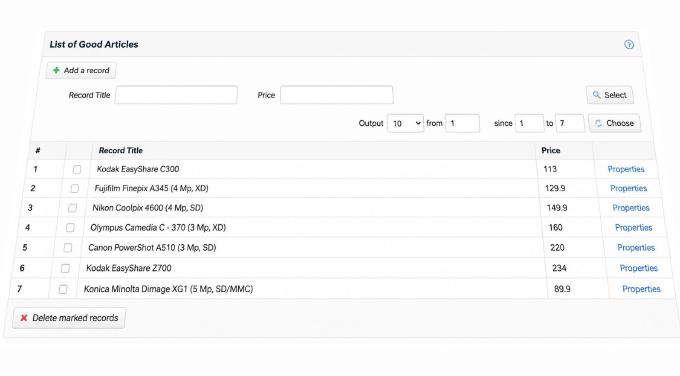
Users coming from desktop apps tend to find web application interfaces frustrating. With AJAX, there is no good reason for that. This article walks through building an interactive data grid with sorting, filtering, and pagination, all without reloading the page.
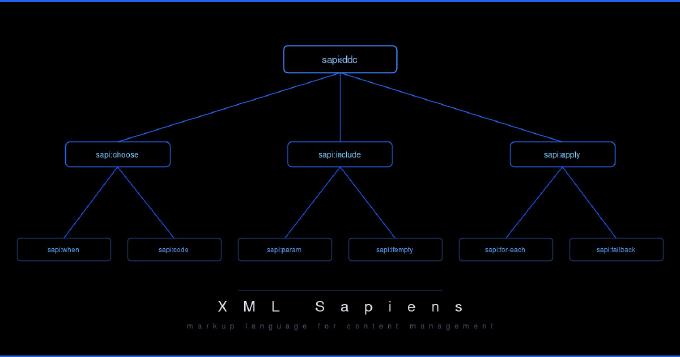
XML Sapiens is a markup language that takes what works about XSLT (separating content from presentation) and makes it practical. It lets you build reusable libraries of content layouts and functional components, then assemble them during site development without low-level programming.
XML has acquired a distinguished popularity lately. No one doubts its perspectives of overall use. The concept of semantic web is no longer an abstraction and is implemented into life with confidence. In the world nets information cacophony there appears harmony. In the hands of talented conductors such as W3C, ISO, OASIS it can diversify into a symphony.
Each minute the amount of content in the Web is surging up. This tendency is getting more and more intensive. As a result, tough competition makes web site-builders develop complicated interfaces to content. New generations of Content Management Systems (CMS) are replacing one another with impressive dynamics. Modern solutions require brand-new features, unavailable in the recent past. Tomorrow they will need features, which are not available today. The question “How do I save my investment to web development?” is still open.
Every day millions of new web documents emerge on the Internet, and the amount of web management tools is growing simultaneously. These tools are usually referred to as Content Management Systems, CMS for short. If you have a web site and still do not use any CMS, you will definitely face a choice to buy or to develop an enterprise content management solution in the near future.